




There are no items in your cart
Add More
Add More
| Item Details | Price | ||
|---|---|---|---|

Agriculture is no longer limited to crop production on the farm. It has developed into a broad value chain that includes agricultural inputs, seed production, technology, food processing, retail, research, consultancy, nurseries, plantations, logistics and international trade. This expansion has created many opportunities in the private sector for graduates and postgraduates in agriculture and allied disciplines. Private organizations increasingly need professionals who can combine scientific knowledge with field skills, business understanding, communication and data-based decision-making.
Private jobs can provide exposure to modern technologies, product development, farmer engagement, market operations and multidisciplinary teamwork. The nature of work differs from one organization to another. A candidate may work in the field, laboratory, production unit, office, retail network, research station, processing plant or supply-chain operation. For agriculture graduates, the advantage is that their knowledge of crops, soils, pests, seeds, plant breeding and farm practices can be applied beyond conventional farming.
The following areas represent important private-sector career pathways in agriculture. The examples are based on the activities described by company, government and institutional sources. The exact designation and eligibility requirements vary with the employer and vacancy.
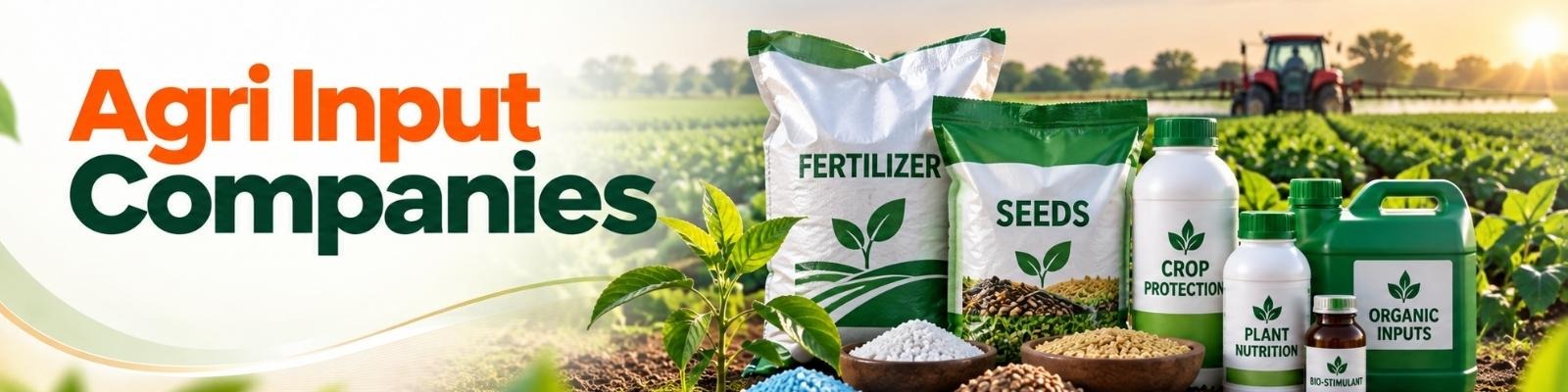
Agri-input companies are among the most direct private-sector career options for agriculture graduates. These businesses develop, manufacture, distribute or market products and services used from crop establishment to harvest. Major input categories include fertilizers, specialty nutrients, biofertilizers, biopesticides, crop-protection products, seeds, irrigation equipment, farm machinery and related advisory services.
For example, Coromandel International describes its business as covering fertilizers, crop protection, bio-products, specialty nutrients and organic products, along with retail, crop advisory, soil testing and farm mechanization services (Coromandel International, 2026) (Figure 1).
Typical work areas include field agronomy, technical sales, product development, product demonstration, dealer management, farmer training, regulatory affairs, quality control, supply-chain operations and customer support. An agriculture graduate may begin in a field-based position where the work involves crop monitoring, farmer interaction, demonstrations and collection of field feedback. With experience, professionals can move into product management, regional business development, technical management or specialized advisory roles.
This sector is particularly suitable for candidates who enjoy interacting with farmers and are comfortable working across different locations. Strong knowledge of crop production, plant protection, soil fertility and agricultural inputs is valuable. Communication skills are equally important because technical information must often be explained in simple language to farmers, retailers and sales teams. Companies such as Coromandel also operate rural retail networks and provide services such as crop diagnostics, soil testing and farm mechanization, showing how technical agriculture knowledge can be combined with commercial and service-oriented work (Coromandel International, 2026).
Useful skills for this sector include crop diagnosis, knowledge of fertilizers and crop-protection products, field-trial management, basic data recording, presentation skills, customer handling and willingness to travel. Candidates should also understand responsible and label-compliant use of agricultural products and keep themselves updated with regulatory requirements.
Agri-tech has created a new class of private-sector jobs by combining agriculture with digital technologies. Startup India describes agritech as the use of technology to improve agriculture across value chains, including precision farming, production, quality management, supply-chain and market linkages, and digital traceability (Startup India, 2023). This means that agriculture professionals can work not only as agronomists but also as members of product, operations, technology, data and business teams.
Career opportunities may include agronomist, crop specialist, field-operations executive, product associate, customer-success executive, business-development professional, content specialist, drone or precision-agriculture field coordinator, data-support professional and project coordinator. Startups may also require professionals who can translate farmers’ problems into practical product requirements. This makes agricultural knowledge particularly useful in companies developing mobile advisory platforms, farm-management systems, digital marketplaces, remote-sensing services, precision-irrigation tools and farm mechanization services.
The agritech sector is becoming increasingly interdisciplinary. A candidate with agriculture knowledge and additional skills in Excel, GIS, remote sensing, data interpretation, digital communication or basic programming can develop a wider range of career options. Startup India has also highlighted the employment potential of agriculture and agritech startups and their role in addressing challenges across the agricultural value chain (Startup India, 2023).
The working environment in a startup can be fast-moving. Employees may handle multiple responsibilities and may receive opportunities to learn business operations, technology and customer engagement at an early stage of their career. Candidates should therefore be adaptable, willing to learn and comfortable working with both field teams and digital platforms.
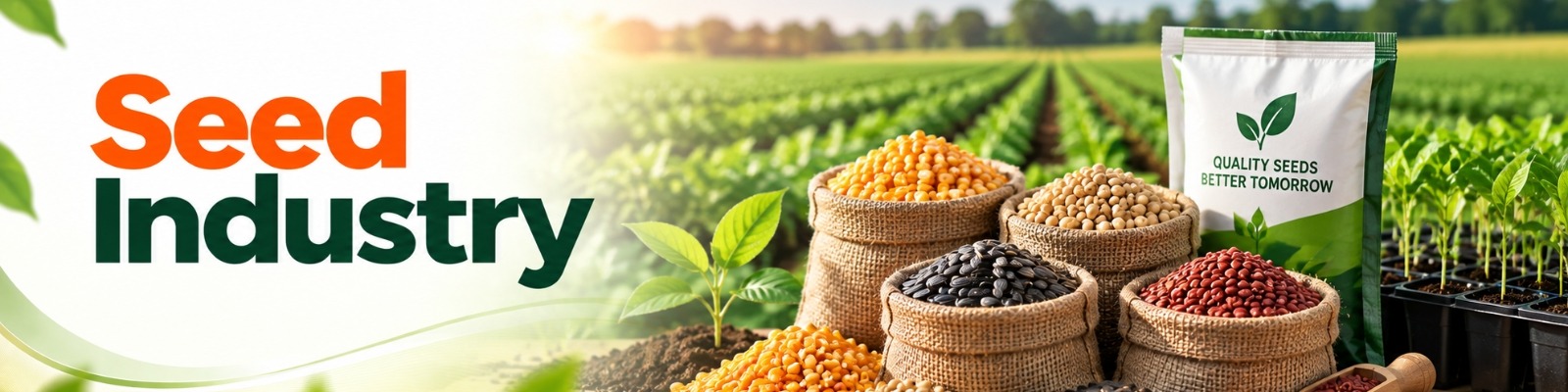
The seed industry is an important private-sector area for students of genetics and plant breeding, seed science and technology, agronomy, horticulture and related disciplines. Private seed companies work across breeding, germplasm evaluation, hybrid development, seed production, field testing, seed processing, quality assurance, packaging, marketing and farmer support. Mahindra Agri, for example, reports R&D programmes in rice, corn and pearl millet as well as vegetable crops, with field testing across different agro-climatic zones and a structured seed-production system involving registered farmers (Mahindra Agri, 2026) (Figure 2).
For a candidate with a background in Genetics and Plant Breeding, potential work areas include breeding research, germplasm evaluation, trait screening, hybrid evaluation, field-trial management, molecular breeding support, seed production and product development. Other roles include seed quality testing, seed processing, quality assurance, technical sales and product promotion. The exact designation may vary among companies and may include titles such as research associate, breeder trainee, trial coordinator, product-development executive or seed-production officer.
Modern seed companies increasingly combine conventional breeding with molecular tools, phenotyping, data analysis and multi-location testing. Mahindra Agri describes dedicated breeding and research infrastructure, a biotechnology and molecular breeding laboratory, research farms and regional testing locations. Its product-development teams also collect trial data and farmer feedback before commercial decisions are made (Mahindra Agri, 2026). These activities create opportunities for candidates who have practical experience in experimental design, statistical analysis, plant breeding techniques and field experimentation.
Syngenta India similarly describes an established seed business involving indigenous R&D and seed-testing laboratories, contract seed production, seed conditioning and vegetable-seed research (Syngenta India, 2016). Therefore, students interested in the seed sector should strengthen their knowledge of breeding methods, seed production standards, field evaluation, seed quality, statistics and documentation. For long-term growth, specialization in molecular breeding, bioinformatics, phenotyping or product development can be valuable.
Food processing connects agricultural production with consumers by converting raw materials into safe, convenient and higher-value products. The Ministry of Food Processing Industries states that food processing helps reduce wastage of perishable agricultural produce, extend shelf life, add value, generate employment and improve farmer incomes. It also promotes private-sector participation in the growth of the food-processing sector (Ministry of Food Processing Industries, 2026) (Figure 3).
Agriculture graduates can find opportunities in raw-material procurement, production supervision, quality assurance, food safety, processing operations, product development, packaging, supply-chain management and technical documentation. Candidates with specialization in horticulture, agronomy, food science, post-harvest technology or agricultural engineering may find different entry points depending on the organization. Knowledge of crops and post-harvest handling can be especially useful in businesses dealing with fruits, vegetables, cereals, pulses, spices, oilseeds and other agricultural commodities.
Food safety is a major part of this sector. FSSAI guidance emphasizes the need for suitable knowledge and skills among technical managers and supervisors so that food businesses can manage food-safety hazards and monitor product quality. It also highlights the importance of testing facilities, documentation, hygiene and preventive controls (Food Safety and Standards Authority of India, 2011). Therefore, students interested in food-processing careers should understand food safety, quality-control procedures, basic laboratory practices, traceability and good manufacturing and hygiene practices.
Career growth may progress from production or quality-assurance roles to plant supervision, quality management, product development, procurement, operations or supply-chain management. Professionals who combine agricultural knowledge with food-safety certification, data skills, communication and business understanding can build strong multidisciplinary profiles.
The Fast-Moving Consumer Goods (FMCG) and retail sector provides opportunities for agriculture graduates because many consumer businesses depend on agricultural raw materials and rural supply networks. FMCG companies work across procurement, quality, sourcing, product development, manufacturing, distribution, marketing and retail. Hindustan Unilever describes FMCG as a major part of the Indian economy and highlights the importance of distribution systems and changing rural and urban consumer demand (Hindustan Unilever Limited, 2025).
Agriculture graduates can work in agricultural procurement, raw-material quality, rural business development, supply-chain coordination, category support, sales, market research, sustainability programmes and farmer-linked sourcing. ITC provides a useful example of the connection between agriculture and consumer businesses: its annual report describes the Agri Business as a source of competitive advantage for its FMCG businesses and notes strong linkages between agricultural sourcing and consumer products (ITC Limited, 2025).
Retail businesses also require professionals who understand products, supply chains and consumer needs. Reliance Retail, for example, describes its operations as being supported by technology and supply-chain infrastructure across a nationwide retail network (Reliance Retail, 2026). For agriculture graduates, this creates potential roles in fresh-produce sourcing, quality assessment, inventory coordination, supplier management, retail operations and category support (Figure 4).
This sector suits candidates who want to move beyond purely technical agricultural roles and develop commercial skills. Communication, negotiation, Excel, market analysis, supply-chain basics and an understanding of consumer behaviour can improve employability. Candidates should also learn how agricultural products move from farm-level sourcing through aggregation, processing, distribution and final retail.
Private-sector research and development provides opportunities for candidates who enjoy experimentation, innovation and problem-solving. R&D in agriculture can cover crop breeding, crop protection, biological products, seed technology, digital agriculture, biotechnology, product development, field testing and quality improvement. Private companies invest in R&D to develop products that respond to farmer needs and changing production environments.
Mahindra Agri, for instance, describes R&D programmes in major field and vegetable crops, biotechnology and molecular-breeding infrastructure, research farms and multi-location testing. The company also uses field trials and data analysis in product development (Mahindra Agri, 2026). Coromandel International reports multiple R&D centres supporting process development and new-product introduction in its nutrient and crop-protection businesses (Coromandel International, 2026).
For Genetics and Plant Breeding graduates, private R&D can be especially relevant. Potential work areas include germplasm characterization, crossing and selection, trait evaluation, screening for biotic and abiotic stresses, molecular-marker applications, data analysis, trial management and product advancement. Candidates from seed science can work in seed testing, seed treatment, production research and quality systems. Candidates from biotechnology can explore molecular biology, microbial products, diagnostics and related research functions.
R&D careers generally require strong scientific documentation and the ability to generate reliable, reproducible data. A candidate should be comfortable with experimental design, statistics, scientific writing, literature review and laboratory or field protocols. Research experience through a dissertation, internship or project can be useful when applying for private R&D positions.
Agricultural consultancy and service businesses help farmers, agribusinesses, investors and other organizations make technical and commercial decisions. The work may include farm advisory, crop planning, market assessment, supply-chain improvement, project feasibility, sustainability, technology adoption, data analysis, training and business strategy. Modern consulting is increasingly multidisciplinary, combining sector knowledge with analytics, technology and management skills.
Agriculture graduates can contribute as agronomy consultants, field consultants, project associates, research analysts, market analysts, sustainability associates, value-chain specialists, implementation coordinators and technical trainers. Professionals may work with farmers directly or support companies, financial institutions, development programmes and agribusiness clients. EY India, for example, describes consulting work across business, technology, risk, supply chain and transformation, and its India practice has also examined the development of an integrated agritech ecosystem (EY India, 2026).
The key requirement in consultancy is the ability to convert technical information into practical recommendations. A consultant may need to collect field data, identify a problem, compare alternatives, prepare a report and communicate the recommendation to a client or farmer group. Therefore, agriculture knowledge should be supported by strong analytical ability, report writing, presentation skills, Excel, basic statistics and professional communication.
Candidates who are interested in this pathway should develop a problem-solving mindset and learn to work with multidisciplinary teams. A postgraduate degree or specialized technical knowledge can be helpful for technical consulting roles, while business and analytical skills can widen opportunities in management and strategy-oriented consulting.
Plantation and nursery businesses offer private-sector opportunities in crop production, propagation, planting-material management, estate operations, quality control and technical advisory. Plantation enterprises may work with tea, coffee, rubber and other perennial crops, while nurseries produce and manage planting material for horticultural and other crops. These businesses require professionals who understand crop physiology, propagation, nutrition, plant protection, irrigation, soil management and field operations.
The National Horticulture Board has developed recognition and grading guidelines for horticulture nurseries, emphasizing parent material, disease-free propagation, good nursery management practices, record keeping and staff training (National Horticulture Board, 2018). This demonstrates the importance of technical management and quality systems in nursery businesses. Private nurseries can therefore require professionals for propagation, nursery supervision, quality monitoring, inventory management, customer support and technical advisory (Figure 5).
Plantation companies also involve a wide range of technical and managerial activities. Tata Consumer Products reports plantation operations in tea and coffee and describes efforts involving sustainable cultivation, biodiversity, responsible sourcing and agricultural practices (Tata Consumer Products, 2026). The Rubber Board also recognizes the importance of quality planting material, nursery management, good agricultural practices and technical support in the plantation sector (Rubber Board, 2023).
For agriculture and horticulture graduates, useful skills include nursery propagation, grafting and budding, irrigation management, crop protection, field record maintenance, labour management and basic farm economics. Candidates interested in plantation management should also develop knowledge of estate planning, sustainability, post-harvest handling and quality management.
Agricultural export and trade connect Indian producers and agribusinesses with domestic and international markets. The work extends beyond selling a commodity. It involves sourcing, quality assessment, grading, packaging, documentation, logistics, market intelligence, compliance, certification and buyer coordination. APEDA is responsible for the development and promotion of exports of scheduled agricultural and processed food products and supports export infrastructure, quality development and market development (APEDA, 2025) (Figure 6).
Private-sector opportunities in this area include export executive, procurement executive, quality and compliance associate, commodity trader, market analyst, logistics coordinator, documentation executive, international-business associate and supply-chain professional. Agriculture graduates can contribute through crop-specific quality assessment, understanding of production systems, traceability, post-harvest handling and communication with farmers and suppliers.
Export-oriented businesses increasingly require professionals who understand quality requirements of importing markets. APEDA highlights support for pack houses, cold chains, pre-shipment treatment, laboratory facilities, certification, market intelligence, international trade fairs and buyer-seller interactions (APEDA, 2025). These activities create opportunities for candidates who combine agricultural knowledge with export documentation, quality standards, logistics and business communication.
This field is particularly suitable for candidates who enjoy market-oriented work and international business. Knowledge of agricultural commodities should be complemented by skills in Excel, documentation, communication, supply-chain management, quality systems and basic international trade procedures. Experience with farmer aggregation, post-harvest management or quality assessment can also be useful.
Private-sector agriculture offers a wide career landscape that extends from the farm to the laboratory, processing plant, retail outlet and international market. Agri-input companies, agritech startups, seed businesses, food processors, FMCG companies, R&D organizations, consultancies, nurseries, plantations and export firms all require different combinations of agricultural and professional skills. The best career choice depends on an individual’s subject specialization, interests, willingness to travel, technical strengths and long-term goals.
For students and graduates, employability can be strengthened by combining subject knowledge with practical skills. Field experience, internships, data analysis, Excel, communication, scientific writing, digital tools and basic business understanding can make a candidate more versatile. For specialized fields such as seed research and breeding, deeper technical competence in experimental design, statistics, molecular tools and field evaluation can be particularly useful. Continuous learning is important because private agriculture is closely connected with technology, markets and changing farmer needs.
Private jobs should therefore be viewed not as a single career route but as a broad ecosystem of opportunities. With the right technical foundation and professional skills, agriculture graduates can contribute to innovation, farmer services, value addition, research, market development and sustainable growth across the agricultural value chain.

Stay updated with our most popular guides, exam strategies, and career insights.

ICAR AIEEA PG is a national-level NTA entrance exam for admission to Master’s programmes in Agriculture, Horticulture, Forestry, Veterinary, Agricultural Engineering and other allied sciences at Agricultural Universities across India.
Read Full Article →
Agriculture has evolved well beyond conventional farming, becoming a dynamic sector shaped by technological advances and sustainable business models.
Read Full Article →
Every major opportunity after B.Sc. Agriculture — M.Sc. subjects and eligibility, top NIRF universities, entrance exams, government jobs, private roles and agri-startups.
Read Full Article → Launch your Graphy